
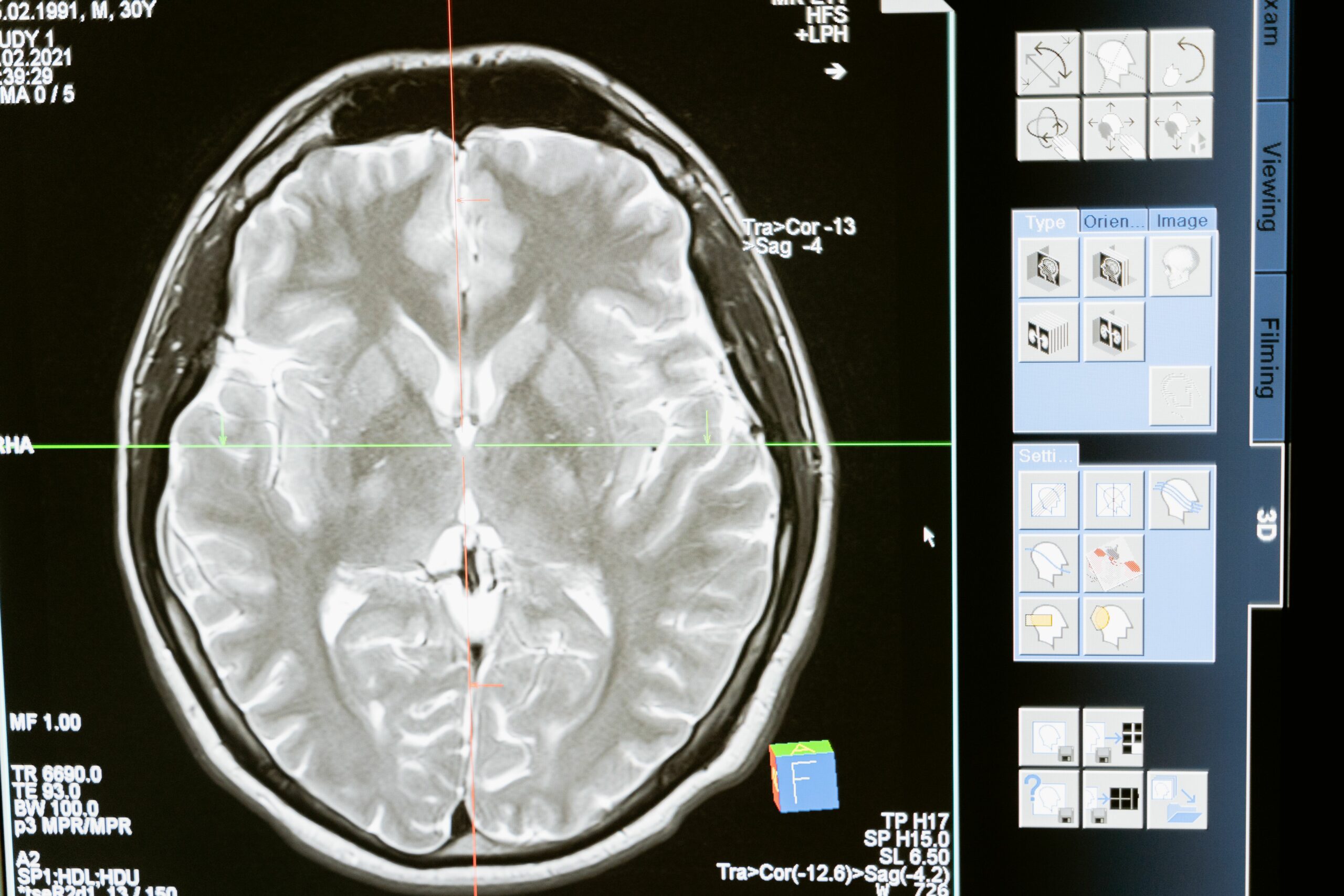
Gambling addiction brain science reveals a disturbing truth: problem gambling hijacks the same neural pathways as cocaine and heroin. This is not a metaphor. Brain imaging studies from Yale, Cambridge, and the National Institute on Drug Abuse (NIDA) show that gambling physically rewires your brain’s reward circuitry, making it progressively harder to stop. Understanding why your brain responds this way is the first step toward breaking free.
If you have ever wondered why you cannot “just stop” gambling despite knowing it is destroying your finances, relationships, and mental health, this article explains exactly what is happening inside your skull — and the good news about how your brain can heal.
Your Brain on Gambling: What Actually Happens
Every time you place a bet, your brain releases a surge of dopamine — the same neurotransmitter released during eating, sex, and drug use. But gambling triggers something unique: the dopamine spike happens not when you win, but when you anticipate a possible win.
Dr. Marc Potenza, a psychiatrist at Yale University who has studied gambling addiction causes and signs for over two decades, explains that the brain of a problem gambler shows the same patterns of activation as someone addicted to substances. The ventral striatum — your brain’s reward center — lights up during anticipation of a gambling outcome with an intensity that mirrors cocaine use (Potenza et al., 2003, American Journal of Psychiatry).
Here is what makes gambling uniquely dangerous compared to other addictions: the feedback loop is instantaneous. A slot machine delivers an outcome every 3 to 5 seconds. A sports bet resolves in minutes to hours. Your brain gets thousands of dopamine hits in a single session — far more than most substances can deliver.
The Dopamine System (It Is Not About Pleasure)
Most people misunderstand dopamine. It is not the “pleasure chemical” — it is the wanting chemical. Dopamine drives anticipation, motivation, and craving, not satisfaction. This distinction, established by neuroscientist Kent Berridge at the University of Michigan, is critical to understanding gambling addiction brain science.
When you gamble, your brain does not release dopamine because winning feels good. It releases dopamine because something might happen. The uncertainty itself is the drug. This is why problem gamblers often report that the excitement of placing a bet matters more than actually winning — and why winning a large sum rarely makes them stop.
Dr. Nora Volkow, Director of the National Institute on Drug Abuse (NIDA), has shown through PET brain scans that people with gambling disorder have reduced dopamine receptor density in the ventral striatum — the same deficit seen in cocaine and methamphetamine addicts (Volkow et al., Neuropsychopharmacology, 2010). Your brain literally has fewer receptors to catch the dopamine it releases, which means you need more stimulation to feel the same effect.
This is the neurological basis of tolerance — and it explains why problem gamblers escalate from small bets to catastrophic ones.
Variable Ratio Reinforcement: The Slot Machine Trick
The most addictive schedule of reinforcement ever discovered in behavioral psychology is the variable ratio schedule — and it is the exact mechanism behind every slot machine, scratch card, and sports bet.
B.F. Skinner demonstrated this in the 1950s with his famous experiments: a pigeon that gets a food pellet at unpredictable intervals will press a lever compulsively, far more than a pigeon that gets a pellet every time. Unpredictability creates obsession.
Modern gambling products are engineered around this principle with scientific precision. Slot machines are programmed to deliver small wins at carefully calibrated intervals — just often enough to keep you pressing the button, but never often enough to satisfy you. The UK Gambling Commission has documented how game designers optimize “time on device” using variable ratio schedules.
Online casinos take this further with algorithmic personalization. The speed, sounds, near-misses, and bonus frequencies are calibrated to keep you specifically playing as long as possible. Your brain’s dopamine system never had a chance — it was designed by evolution to respond to uncertainty, and gambling exploits that vulnerability with industrial efficiency.
The Near-Miss Effect (Why Almost Winning Hooks You)
One of the most powerful findings in gambling addiction brain science is the near-miss effect. When you almost win — two cherries out of three on a slot, your team losing by one point — your brain responds almost identically to an actual win.
Dr. Luke Clark at the University of Cambridge published landmark research showing that near-misses activate the same reward circuitry as real wins, despite being objectively losses (Clark et al., 2009, Neuron). The ventral striatum and the anterior insula both light up, flooding your brain with dopamine. Your rational brain knows you lost. Your reward system registers a win.
This is not a design flaw in the brain — it is a feature that helped our ancestors persist in hunting and foraging. But it becomes catastrophic in a gambling context, because it makes every loss feel like evidence that you are about to win.
Slot machines deliberately increase near-miss frequency. Research published in the journal Addiction found that modern slot machines display near-misses up to 30% of the time — far more than random chance would produce. Your brain is being systematically tricked into thinking you are closer to winning than you actually are.
How Gambling Physically Changes Your Brain
Gambling addiction is not just a behavioral pattern — it causes structural and functional changes in the brain that can be seen on brain scans. These changes affect three critical areas:
1. The prefrontal cortex (decision-making and impulse control). Chronic gambling reduces activity and gray matter volume in the prefrontal cortex, the region responsible for weighing consequences, delaying gratification, and saying no. This is why problem gamblers make objectively terrible decisions — their braking system is neurologically impaired (Potenza, 2014, Neuroscience and Biobehavioral Reviews).
2. The ventral striatum (reward processing). Dopamine receptor density decreases with repeated gambling. This creates a reward deficit — normal pleasures like food, exercise, or socializing feel flat and uninteresting compared to the intense dopamine surges of gambling.
3. The amygdala and insula (emotional processing). These regions become hyperactive in response to gambling cues — the sound of a slot machine, a sports score notification, even walking past a betting shop. This is why quitting gambling feels so much harder than simply deciding to stop. Your brain has been physically reconfigured to react to gambling triggers with intense craving.
The Tolerance Trap: Needing Bigger Bets
Just like drug tolerance, gambling tolerance is a neurological reality. As your dopamine receptors downregulate (reduce in number and sensitivity), you need increasingly intense experiences to achieve the same emotional effect.
This is the mechanism behind bet escalation. A person who started with $5 bets finds them boring after a few months and moves to $50, then $500, then $5,000. The subjective experience at each level feels the same — but the financial risk has multiplied by a thousand.
Tolerance also explains why problem gamblers often shift to higher-risk forms of gambling over time. Someone who started with weekly lottery tickets may graduate to online slots, then sports betting parlays, then cryptocurrency gambling — each offering a more intense dopamine hit than the last.
The DSM-5 recognizes tolerance as one of the nine diagnostic criteria for gambling disorder: needs to gamble with increasing amounts of money in order to achieve the desired excitement. This is not a character flaw. It is neurochemistry.
Why Quitting Feels So Bad (Withdrawal Neurochemistry)
When a problem gambler stops gambling, their brain faces a neurochemical crisis. The dopamine system, which has been artificially overstimulated for months or years, suddenly loses its primary source of activation. The result is a state of anhedonia — the clinical term for an inability to feel pleasure.
Gambling withdrawal symptoms are real and clinically documented: irritability, restlessness, anxiety, insomnia, depression, and intense cravings. A 2016 study in Addictive Behaviors found that 87% of problem gamblers reported withdrawal symptoms when they tried to stop, with emotional symptoms being more severe and longer-lasting than physical ones.
The neuroscience behind this is straightforward but brutal. Your brain has adapted to an artificially high dopamine baseline. Without gambling, the baseline crashes. Activities that used to feel rewarding — cooking, exercise, spending time with family — now feel empty. The brain screams for gambling not because it wants pleasure, but because it is trying to return to what it now considers normal.
This is why the first 2 to 4 weeks of quitting are the hardest. The dopamine system is recalibrating, and every moment feels like something is missing. Understanding that this is a temporary neurological state — not a permanent condition — is critical for getting through it.
Good News: Your Brain Can Heal (Neuroplasticity)
Here is the most important finding in gambling addiction brain science: the damage is reversible. Your brain is not permanently broken.
Neuroplasticity — your brain’s ability to rewire itself — means that the structural and chemical changes caused by gambling can reverse over time with sustained abstinence. Research from the University of Amsterdam published in Biological Psychiatry showed that dopamine receptor density begins recovering within weeks of stopping addictive behavior, with significant improvement at the 3-month mark and near-normal levels by 12 to 14 months.
Prefrontal cortex function also recovers. A longitudinal study in the Journal of Gambling Studies found that problem gamblers who maintained abstinence for 6 months showed measurable improvements in impulse control, decision-making, and delayed gratification — the exact functions that gambling had impaired.
What accelerates recovery? The same things that build any new neural pathway: consistent new behaviors, physical exercise (which naturally boosts dopamine receptor density), social connection, and reducing exposure to gambling triggers. Tools like gambling blocker apps — such as BetBreaker — help during this critical period by removing the environmental cues that trigger craving in the still-healing brain.
How Long Does Brain Recovery Take?
Based on the available neuroscience research, here is a rough timeline for brain recovery after stopping gambling:
Weeks 1-2: The acute withdrawal phase. Dopamine levels crash. Irritability, insomnia, anxiety, and intense cravings peak. This is the highest-risk period for relapse. Physical exercise and social support are critical.
Weeks 3-8: The adjustment phase. Dopamine receptors begin upregulating (increasing in number). Cravings remain but become less constant. Normal pleasures start returning. Sleep typically improves.
Months 3-6: Significant neurological recovery. Prefrontal cortex function measurably improves. Decision-making gets sharper. The fog lifts. Triggers still cause spikes of craving, but the baseline emotional state stabilizes.
Months 6-14: Deep recovery. Dopamine receptor density approaches normal levels. New habits and neural pathways are solidifying. The brain increasingly responds to natural rewards (exercise, relationships, accomplishment) rather than gambling cues.
Important caveat: these timelines come from addiction neuroscience generally, not exclusively gambling studies. Individual recovery varies based on duration of gambling, severity, concurrent mental health conditions, and support systems. The direction, however, is consistent: sustained abstinence leads to measurable brain healing.
Get Help Now
If you or someone you know is struggling with gambling addiction, these organizations provide free, confidential support:
- National Council on Problem Gambling (US): 1-800-522-4700 | ncpgambling.org
- GamCare (UK): 0808 8020 133 | gamcare.org.uk
- ConnexOntario (Canada): 1-866-531-2600
- Gambling Help Online (Australia): 1800 858 858
You can also protect yourself right now by installing a gambling blocker on your devices. Download BetBreaker for iOS or to block access to 200,000+ gambling sites while your brain heals.
Frequently Asked Questions
Is gambling addiction a brain disease?
Yes. The American Psychiatric Association reclassified gambling disorder as an addictive disorder in the DSM-5 (2013), placing it alongside substance use disorders. Brain imaging studies confirm that gambling addiction produces the same neurological changes — reduced dopamine receptor density, impaired prefrontal cortex function, and hyperactive reward circuitry — as drug and alcohol addiction.
Does gambling release more dopamine than drugs?
Not necessarily more, but in a uniquely addictive pattern. Gambling triggers dopamine through anticipation and uncertainty, which produces rapid, repeated dopamine spikes that can number in the thousands per session. Cocaine produces a larger single spike, but gambling’s frequency of activation — especially in fast-paced games like online slots — creates an extremely powerful reinforcement loop.
How long does it take for the brain to recover from gambling addiction?
Significant neurological improvement typically begins within 3 months of sustained abstinence, with dopamine receptor density approaching normal levels by 12 to 14 months. However, individual timelines vary. The prefrontal cortex shows measurable improvement in impulse control and decision-making within 6 months. Complete recovery of all neural pathways may take 1 to 2 years.
Why can’t gamblers just stop?
Because gambling has physically altered their brain. Chronic gambling reduces prefrontal cortex function (impairing willpower and decision-making), downregulates dopamine receptors (making everything except gambling feel unrewarding), and creates conditioned responses to triggers (causing automatic cravings). Telling a problem gambler to just stop is like telling someone with a broken leg to just walk. The machinery is damaged and needs time and support to heal.
Can exercise help with gambling addiction recovery?
Yes, and the neuroscience strongly supports it. Regular aerobic exercise increases dopamine receptor density, boosts serotonin and endorphins, reduces cortisol (the stress hormone), and promotes neurogenesis (new brain cell growth) in the hippocampus. A 2019 meta-analysis published in Psychopharmacology found that exercise significantly reduced gambling urges and improved mood in problem gamblers. Even 30 minutes of brisk walking can measurably reduce craving intensity.